
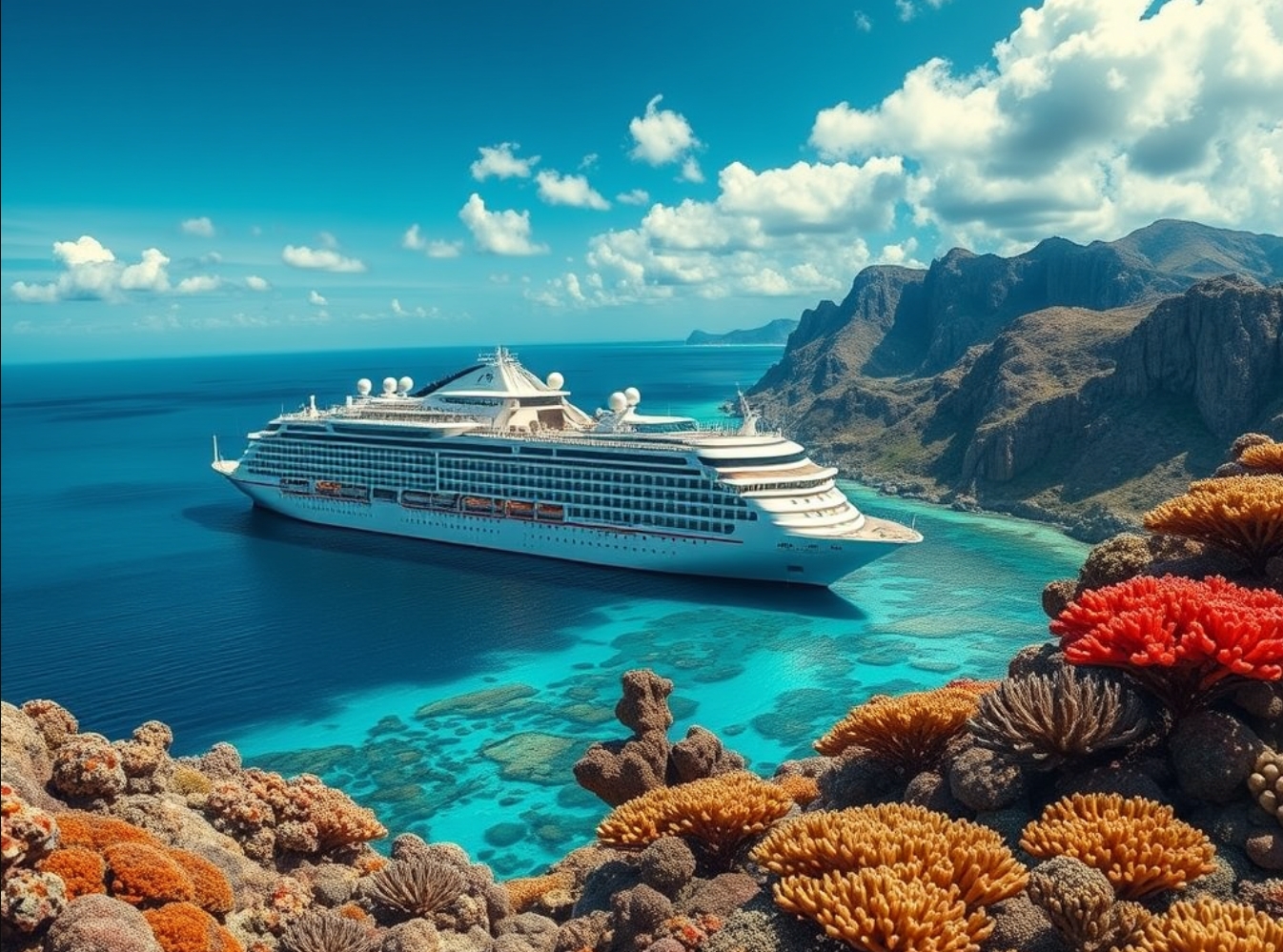
Marine tourism—covering activities like cruising, diving, sailing, and coastal ecotourism—is undergoing a profound shift as digital technologies redefine both customer experiences and operational models. Here are the most impactful trends shaping the industry today:
Smart Cruise Experiences
- IoT-enabled ships: Cruise liners are integrating Internet of Things (IoT) sensors to monitor passenger preferences, optimize energy use, and enhance safety.
- Personalized services: Wearable devices and mobile apps allow guests to book excursions, order meals, and receive tailored recommendations in real time.
Virtual & Augmented Reality Adventure
- Virtual diving and marine exploration: VR headsets let tourists experience coral reefs or shipwrecks without entering the water, appealing to eco-conscious travelers.
- AR-guided tours: Augmented reality overlays enrich on-site visits, providing historical, ecological, or cultural context during coastal walks or museum visits.
Data-Driven Sustainability
- Geographic Information Systems (GIS): Used to track marine ecosystems and plan sustainable tourism routes.
- AI-powered conservation: Machine learning models help predict coral bleaching or overfishing risks, aligning tourism with environmental stewardship.
Digital Booking & Smart Platforms
- Integrated booking systems: Platforms now combine transport, accommodation, and marine activities into seamless packages.
- Blockchain for transparency: Some operators are experimenting with blockchain to ensure fair pricing and traceability of eco-tourism initiatives.
Automation & Smart Ports
- Automated docking and logistics: Ports are adopting robotics and AI to streamline cruise operations, reducing delays and emissions.
- Smart ticketing and crowd management: Digital systems help manage passenger flows, enhancing safety and efficiency.
Market Growth & Investment
- The marine tourism market was valued at $9.47 billion in 2025 and is projected to reach $15.62 billion by 2033, driven by tech innovation and sustainability-focused investments.
- This growth reflects rising demand for immersive, eco-friendly, and tech-enabled experiences.
Challenges & Risks
- Digital divide: Smaller operators may struggle to adopt advanced technologies.
- Environmental trade-offs: Tech can reduce ecological impact but also risks over-commercialization if not managed responsibly.
- Cybersecurity concerns: With more connected systems, marine tourism businesses must safeguard customer data and operational integrity.
Conclusion
Digital transformation in marine tourism is not just about convenience—it’s about creating immersive, sustainable, and intelligent experiences that balance economic growth with ocean conservation. From VR coral dives to AI-driven sustainability, the industry is charting a course toward a future where technology and nature coexist harmoniously.